Getting Dentures: What to Expect

Removable dental devices called dentures are used to replace lost teeth and the tissues around them. When natural teeth are lost as a result of aging, trauma, or illness, they offer a practical means of restoring the beauty and functionality of your smile. In addition to enhancing speech and chewing, dentures also strengthen the muscles in the face, avoiding the sunken appearance that might result after tooth loss. By restoring a natural-looking smile, dentures help many people feel more confident and have a higher quality of life.

Complete and partial dentures are the two primary varieties. When every tooth in the upper or lower jaw is lost, complete dentures are utilized. They are often secured in place by suction or denture adhesive and fit snugly over the gums. Patients who still have some natural teeth can benefit from partial dentures. They are made up of replacement teeth affixed to a base that is gum-colored and secured to the natural teeth with precision attachments or metal clasps.

A comprehensive dental examination usually precedes the denture procedure. In order to make a cast of your mouth, the dentist takes impressions and evaluates the state of your gums and any remaining teeth. Dentures that fit well and appear natural are made with this mold. Adjusting and fine-tuning the fit for maximum comfort and functionality may need multiple appointments.

There is an adjustment time when wearing dentures. Most individuals eventually get used to them, though initially they could feel heavy or irritate them slightly. Maintaining dentures and oral health requires proper maintenance. To get rid of food particles and plaque, dentures should be cleaned every day using a soft brush and specialized denture cleaning. Dentures should be soaked overnight to maintain moisture and avoid warping. Frequent dental examinations assist guarantee that the gums and any remaining teeth remain healthy and that dentures fit properly.

Because they enable people to consume a greater range of foods, dentures can enhance nutrition. Nonetheless, some foods could still be difficult to chew, so it’s best to start with softer selections and reintroduce harder ones gradually. It may also take some practice to speak effectively with new dentures, although reading aloud or repeating challenging words can hasten the adaption process.

Even though dentures are long-lasting, as the gums and jawbone alter over time, they can need to be changed or relined. The fit of dentures may be impacted by bone resorption, which occurs spontaneously following tooth loss. Relining is the process of adding material to the denture’s foundation to increase stability and comfort. The dentist can avoid pain and enhance function by making adjustments on a regular basis.

Dental implants may be used in conjunction with dentures for certain people in order to give them additional stability and support. Implant-supported dentures provide better chewing ability and less sliding by snapping onto tiny titanium posts that are fixed into the jawbone. Although this hybrid solution necessitates surgery and has a lengthier recovery time, it frequently feels more comfortable and natural.

In conclusion, dentures are still a dependable and affordable way to replace lost teeth and repair smiles. Properly fitted dentures, whether complete or partial, enhance beauty, dental function, and self-esteem. Dentures can be used comfortably for many years and contribute to the maintenance of general oral health with the right maintenance and frequent dental checkups.
What Is Cosmetic Dentistry?

The goal of cosmetic dentistry is to make teeth, gums, and the entire smile seem better. By fusing science and art, it goes beyond conventional dental treatment to produce stunning, healthy smiles. For a variety of reasons, including as improving self-esteem, fixing dental flaws, or just desiring a more radiant, appealing smile, people seek cosmetic dentistry procedures. With a variety of treatments to address problems like discolouration, misalignment, gaps, chipping, and damaged teeth, cosmetic dentistry has become more accessible and efficient thanks to advancements in dental technology. These procedures frequently improve function and dental health in addition to appearance.

Whitening teeth is one of the most popular cosmetic dentistry operations. Foods, beverages, smoking, and aging can all cause teeth to discolor or become stained over time. Compared to over-the-counter alternatives, professional whitening procedures are safer and yield noticeable effects far more quickly. In one or a few visits, dentists can remove deep stains and brighten teeth many shades by using stronger bleaching solutions and specialist equipment. A visibly whiter smile is the end result, and with the right maintenance, it can endure for months or even longer.

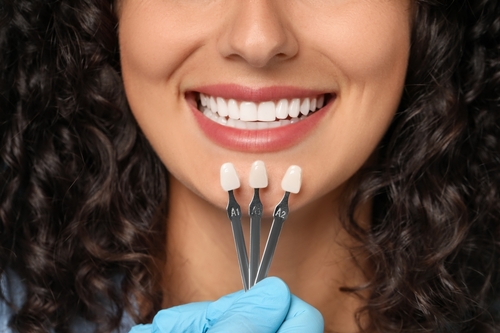
Dental veneers, which are thin shells composed of composite resin or porcelain that cover the front surface of teeth, are another common choice. Numerous flaws, including small misalignments, chipping, cracks, discolouration, and uneven spacing, can be fixed with veneers. In order to create a smooth and realistic-looking grin, they are created to precisely match the size, shape, and color of natural teeth. Veneers are a popular option for a smile makeover since they involve little modification to the tooth and produce long-lasting effects.

Dental bonding is another adaptable cosmetic procedure that can be used in place of veneers. This is immediately placing a tooth-colored resin substance to broken or flawed teeth, then molding it to enhance its appearance. Bonding is perfect for covering stains, filling in gaps, and fixing minor chips. Although it might not last as long as veneers or crowns, it is a rapid, minimally invasive process that can frequently be finished in a single visit.

Clear aligners have gained a lot of popularity among people who want to straighten their teeth without the unsightly appearance of traditional metal braces. Teeth are progressively moved into appropriate alignment by these almost undetectable trays. Because clear aligners are detachable, patients can eat everything they want and maintain better oral hygiene. Although treatment duration varies, it is typically less than that of traditional braces. They work well for a lot of mild to moderate misalignment situations.

Another component of esthetic dentistry is dental crowns and bridges. Crowns restore the shape, strength, and look of teeth that have been injured or weakened. For a more organic appearance, they can be composed of ceramic, porcelain, or metal fused with porcelain. Bridges attach to neighboring teeth or implants to replace one or more lost teeth. Bridges and crowns both enhance tooth function and contribute to the preservation of the smile’s integrity.

Gum reshaping or contouring, which treats uneven gum lines or extra gum tissue that can make teeth appear short, is another procedure used in cosmetic dentistry. To produce a more balanced and aesthetically beautiful smile, dentists can restructure the gum tissue with lasers or surgical methods. By enhancing the general harmony of the teeth and gums, this operation frequently improves the outcomes of other cosmetic procedures.

Although the goal of cosmetic dentistry is to improve beauty, it also supports general oral health. For instance, by making teeth easier to clean, straightening them can lower the risk of gum disease and decay. In addition to keeping the neighboring teeth from moving, replacing lost teeth helps preserve good bite alignment. The chance of more decay or infection is decreased when damaged teeth are repaired.

Individual objectives, oral health, and financial constraints all play a role in selecting the best cosmetic dentistry procedure. Patients can develop a customized treatment plan and learn about their alternatives, as well as the advantages and disadvantages of each operation, by consulting with a licensed cosmetic dentist. Technological developments like digital imaging and 3D modeling provide patients more confidence in their decisions by enabling them to see possible outcomes before starting treatment.

Regular dental checkups and proper oral hygiene are necessary to preserve the effects of cosmetic dentistry. In addition to brushing and flossing twice a day, patients should abstain from smoking and chewing on hard objects, two behaviors that can harm teeth. Maintaining the smile’s best appearance requires follow-up care and occasionally touch-up procedures like bonding repairs or teeth whitening.

In conclusion, a variety of procedures are available in cosmetic dentistry to enhance the appearance and condition of your smile. Modern cosmetic dentistry operations can help you create a smile you are proud to share, whether you want a slight enhancement or a full makeover. Through a stunning, self-assured smile, cosmetic dentistry may be a potent instrument for improving quality of life and self-esteem when done properly and under professional supervision.

Smile Makeover: Why Veneers Are So Popular

Veneers are among the most well-liked and successful cosmetic dentistry procedures on the market right now. By covering the front surface of teeth, these thin, specially produced shells can rapidly improve the appearance of teeth by changing their color, shape, size, or length. Veneers are usually made of composite resin or porcelain and provide a rapid, yet long-lasting, approach to improve someone’s smile while still producing results that look natural. Many dental flaws, such as chipping, gaps, and misalignments, as well as discolored or stained teeth, can be fixed with veneers. Getting veneers is now less invasive and more accessible than ever thanks to developments in dental materials and procedures.


The longevity of porcelain veneers and their capacity to replicate the light-reflecting characteristics of real teeth make them particularly well-liked. For those seeking a long-term solution that maintains its glossy appearance over time, these veneers are perfect because they are stain-resistant. Composite resin veneers can sometimes be installed in a single visit and, although they are typically less expensive, may not last as long as porcelain veneers. Nevertheless, they still provide good aesthetic results. Each person’s teeth will be fitted with one of the two alternatives, guaranteeing a smooth, comfortable fit that complements the rest of the smile.

The first step in the veneers process is usually a consultation, where the dentist assesses the patient’s oral health and talks about their cosmetic objectives. A tiny piece of enamel is typically removed from the front of the teeth to create room for the veneers, and X-rays and impressions may be taken. This stage is crucial to preventing an unnatural or bulky final appearance. The veneers are made in a dental facility using impressions taken after the tooth has been prepared; this process often takes a week or two. To preserve beauty and safeguard the teeth in the interim, temporary veneers may be applied.

When the personalized veneers are prepared, the dentist will use a unique glue to attach them to the teeth. The veneers must be positioned precisely to provide a good fit and appearance, thus this stage calls for caution and precision. A final, natural-looking finish may be achieved by the dentist polishing the veneers and making small changes. Beyond routine brushing, flossing, and dental checkups, veneers require no additional upkeep after they are in place and work just like natural teeth.

Veneers are a flexible treatment that can be used to solve a variety of common cosmetic dental problems. They work especially well on teeth that are difficult to whiten, like those discolored by drugs or root canal therapy. In addition to covering worn-down or cracked enamel, veneers can also fill spaces between teeth and straighten slightly misaligned teeth. Veneers preserve more of the natural tooth structure than crowns, which completely cover the tooth. This makes them a conservative yet revolutionary cosmetic alternative.

Veneers have many advantages, but not everyone is a good fit for them. Before veneers are a viable option for patients with severe tooth decay, gum disease, or insufficient tooth enamel, further treatments may be necessary. A nightguard may also be necessary for people who clench or grind their teeth in order to protect the veneers. To ascertain whether veneers are the best option for a certain set of circumstances and dental health, it is imperative to speak with a skilled cosmetic dentist.

Vein maintenance is quite easy. Patients should practice proper oral care and refrain from behaviors that can harm veneers, such as using their teeth as tools or biting on hard things. Composite veneers usually last about 5 to 7 years, however porcelain veneers can last up to 15 years with good care. To keep an eye on the veneers’ state as well as the health of the teeth and gums underneath, routine dental examinations are crucial.

A beautiful smile can be achieved with least invasiveness and maximum effect with dental veneers. For patients looking for a sophisticated and efficient cosmetic dentistry treatment, veneers remain a popular option, whether they are being used to restore confidence, correct minor imperfections, or brighten a lifeless smile.

The Importance of Healthy Gums

A crucial component of dental care, gum treatment—also known as periodontal therapy—focuses on the detection, diagnosis, and treatment of gum diseases. These are some of the most prevalent dental issues that adults face, mainly gingivitis and periodontitis. They can result in a lower quality of life, systemic health problems, and tooth loss if untreated. Understanding gum therapy is crucial for preserving a long-lasting and healthy smile because, despite its importance, gum health is usually disregarded in ordinary dental procedures.

The first stage of gum disease, gingivitis, is typified by red, swollen gums that may bleed when you brush or floss. Professional cleanings and good dental hygiene can help reverse this stage to a considerable extent. But if gingivitis is left untreated, it can develop into periodontitis, a more serious kind of gum disease in which the gums and bone pull away from the teeth, creating pockets that can get infected. The bone and connective tissue that hold teeth in place begin to deteriorate due to bacterial toxins and the body’s immunological response. This may eventually cause teeth to become loose or even fall out.

Treatment options for gum disease can vary based on the disease’s severity. A thorough periodontal examination performed by a dentist is typically the first step. This could entail assessing gum recession, measuring the depth of the pockets surrounding each tooth, looking for bleeding, and sometimes getting X-rays to look at the bone level. A treatment plan is created based on these results in order to halt the disease’s progression and restore gum health.

Non-surgical procedures like scaling and root planing are frequently advised for mild to moderate instances. In order to facilitate the gums’ reattachment to the teeth, this deep cleaning technique smoothes the root surfaces and eliminates plaque and tartar from beneath the gum line. To promote healing and lower bacteria, local antimicrobials or antibiotics may also be used. In order to track their progress and avoid recurrence, patients are usually instructed to follow stringent oral hygiene procedures at home and schedule routine maintenance appointments.

Surgical procedures can be required in more severe situations. For example, flap surgery entails suturing the tissue back into place for a snug fit around the teeth after pushing back the gums to remove deep deposits of tartar. Gum tissue or missing bone can also be restored with bone and tissue grafts. A dentist who specializes in gum health, known as a periodontist, typically performs these operations.

Another new option for treating gum disease is laser therapy. It minimizes discomfort and speeds up recovery by using concentrated laser radiation to eliminate microorganisms and remove unhealthy tissue. For certain people, it can be a less invasive and more effective option than traditional surgery, but it is not appropriate in every situation.

Gum disease is far easier to prevent than to treat. Gum health is largely maintained by daily brushing and flossing, a balanced diet, abstaining from tobacco use, and scheduling routine dental exams. Additionally, it’s critical to spot warning indicators like chronic foul breath, bleeding gums, or changes in bite and to get help from a dentist right once.

Gum therapy is important for protecting your oral and general health, not simply for keeping your smile looking nice. According to research, systemic diseases like diabetes, heart disease, respiratory disorders, and even unfavorable pregnancy outcomes are associated with periodontal disease. Patients can prevent major difficulties and live happier, more self-assured lives by treating gum health carefully and early.

Gum care is ultimately a collaboration between the patient and the practitioner. Gum disease can be stopped in its tracks and your natural teeth can be preserved for a lifetime with the right treatment, prompt intervention, and continuous upkeep. Speaking with your dentist about gum treatment choices is a wise move toward a healthy future, regardless of whether you’re exhibiting symptoms or simply want to take preventative measures for your dental health.